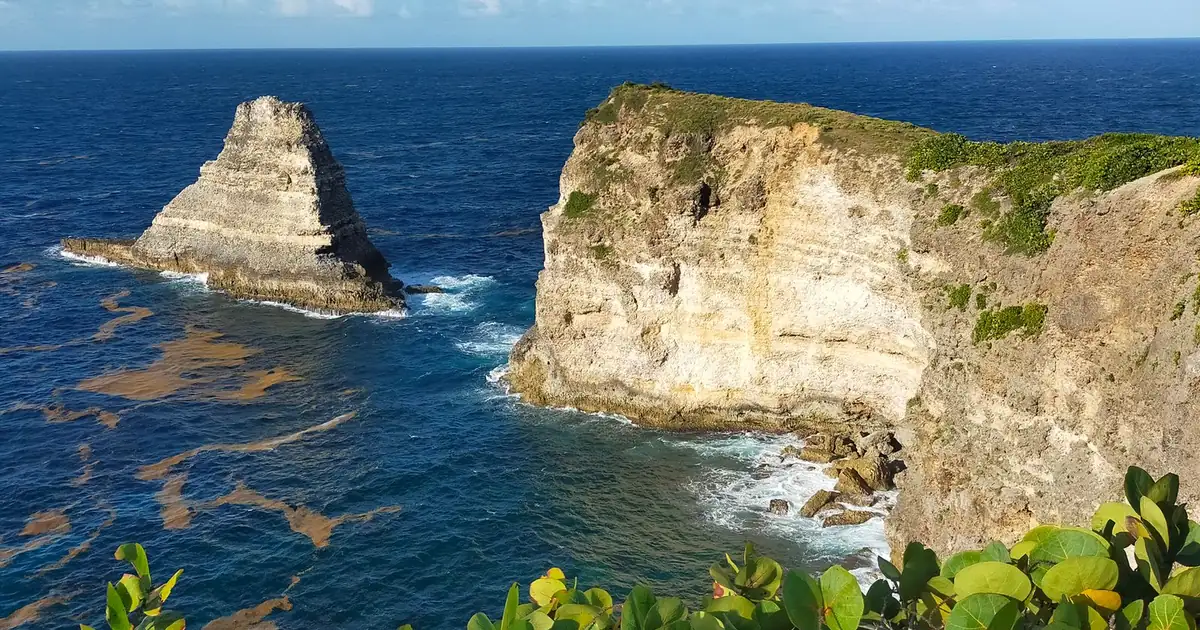
To visit Dominica island is to visit a small, steep, volcanic island of roughly 750 square kilometres, mostly rainforest, whose highest peak, Morne Diablotins, rises to 1,447 metres. It sits in the Eastern Caribbean, not to be confused with the Dominican Republic, and its pleasures are rivers, trails, reefs and villages rather than long resort beaches.
This guide is an orientation: what kind of island you are visiting, where people live, what the landscape asks of you and what the hurricane history means. For the trip itself, see plan your visit or return to Dominica Island.
Visit Dominica Island at a Glance
| Fact | Detail |
|---|---|
| Nickname | The Nature Island of the Caribbean |
| Area | About 750 square kilometres |
| Highest point | Morne Diablotins, 1,447 metres |
| Capital | Roseau, 14,725 inhabitants in 2011; Portsmouth had 4,167 |
| World Heritage | Morne Trois Pitons National Park, recognised on 4 April 1995 |
| Birds | 200 species, two found only here |
What Kind of Island Is Dominica?
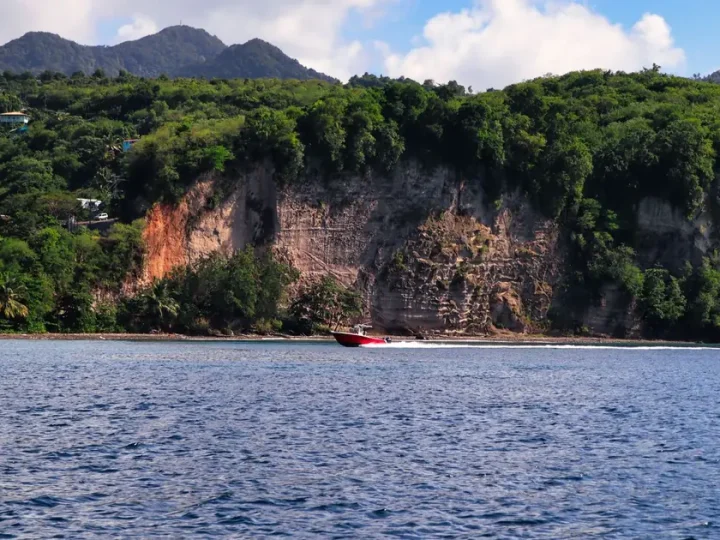
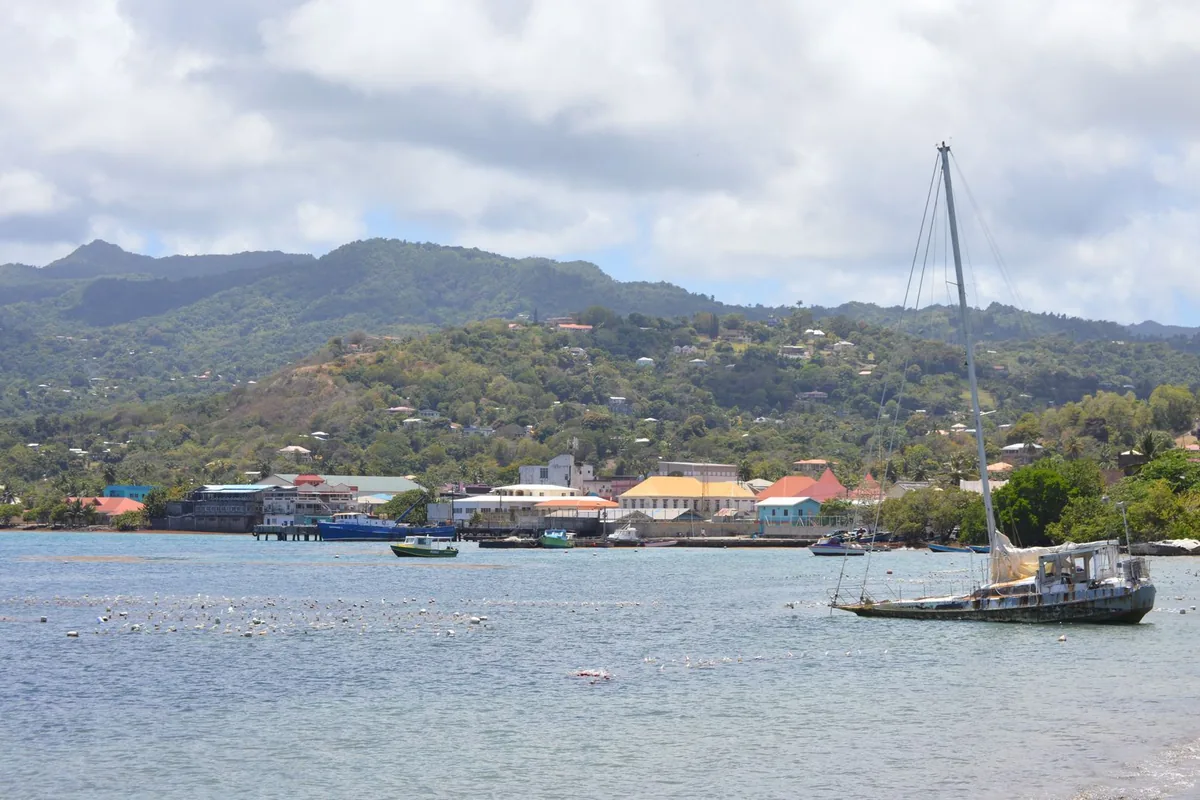
Wikipedia describes it as the most mountainous of the Lesser Antilles, largely covered by rainforest and home to the world’s second-largest hot spring, Boiling Lake. The main population centres sit around the coast, with the mountainous interior sparsely populated. Distances are short on a map but slow by road, as the FCDO notes the roads are sometimes narrow and in poor condition.
Why Is Dominica Not a Classic Beach Island?
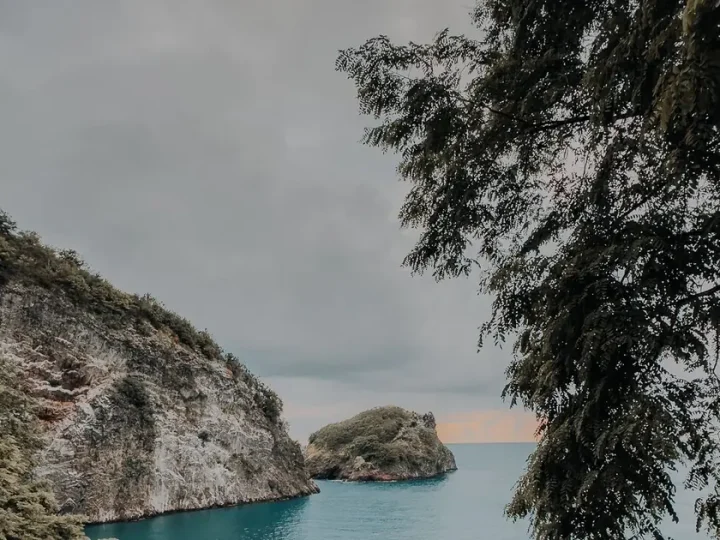
The coast is rugged and many beaches are dark volcanic sand or pebbles, and the UK government warns that currents can be stronger than they look and that not every beach has lifeguards or flags. The island’s draw is rainforest, waterfalls, reefs and hot springs instead. Our eco tourism guide explains how to enjoy them responsibly.
What Wildlife Can You Expect?
Dominica has recorded 200 bird species, including two endemic parrots: the sisserou, the national bird, and the jaco. It is also described as the last major stronghold of the critically endangered Lesser Antillean iguana. Read is the sisserou parrot endangered and our animals in Dominica guide for more.
What Does Hurricane History Mean for Visitors?
Dominica lies in the hurricane region. Wikipedia records Hurricane David in 1979, Tropical Storm Erika in August 2015 and a direct landfall by Category 5 Hurricane Maria on 18 September 2017. The UK government says hurricane season normally runs from June to November, so plan flexibly, buy insurance that covers disruption and check forecasts before flying.
Frequently Asked Questions
About 750 square kilometres, according to Wikipedia, with the highest peak at 1,447 metres. It is small enough to cross in a day, but winding mountain roads and rain make journeys slower than the map suggests. Plan fewer stops per day and group nearby sights together.
No. Dominica is a small island nation in the Eastern Caribbean, while the Dominican Republic is a separate country on a different island. Travellers sometimes book flights to the wrong one, so check the airport code: Dominica’s main airport is Douglas-Charles (DOM). Our travel tips and FAQ page has more.
Rainforest, volcanic scenery, waterfalls, hot springs and Boiling Lake, plus a UNESCO World Heritage site at Morne Trois Pitons National Park, which Wikipedia says was recognised on 4 April 1995. It is called the Nature Island because lush scenery and varied wildlife define a visit more than resorts do.
The UK government calls the crime rate low but advises care walking alone off main roads, after dark and on isolated beaches. Hiking, swimming and road travel carry the main practical risks, so use guides for long walks. Hurricane season normally runs from June to November.
Arrive Ready for the Landscape
Pack for rain, wear proper shoes and allow time. Our places to go page picks the highlights, and you can contact us for suggestions.
How we prepared this guide: geography, wildlife and hurricane history come from Wikipedia; safety, road and swimming advice from the UK Foreign, Commonwealth and Development Office. Photographs are Pexels stock images and may not show Dominica.