Dominica is small, steep and wet, which is exactly why it is fun. This page groups the island's headline activities by mood, so you can build days that do not all feel the same. Prices, opening hours and trail conditions change, so confirm details with the Discover Dominica Authority or your operator before you go.
Chase water
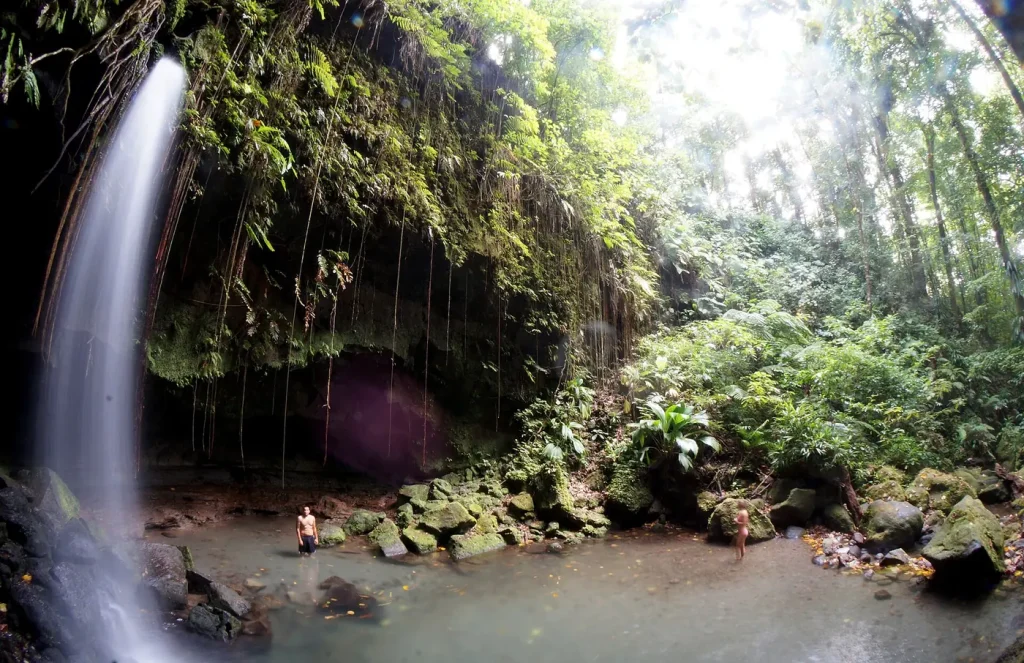
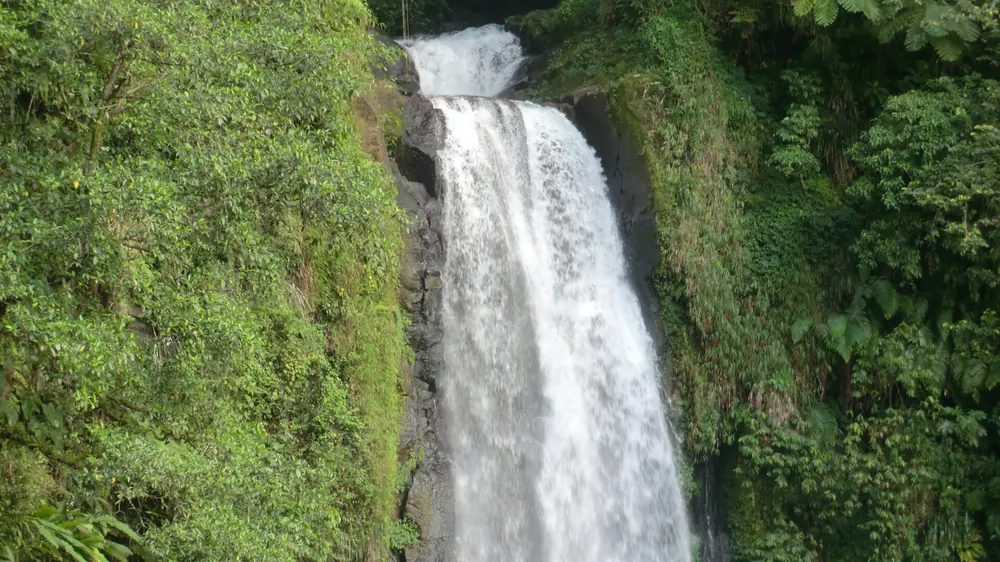
Rivers fall off the volcanic interior in every direction. The classics sit in or near Morne Trois Pitons National Park: Trafalgar Falls, reached by a short walk from the village of Trafalgar near Roseau; Emerald Pool, a forest pool under a thin waterfall; Middleham Falls, a tall fall that takes a longer forest walk; and Titou Gorge, a narrow, water-filled gorge inside the park.
Swimming spots depend on rainfall. After heavy rain, rivers rise quickly and trails get slippery, so ask locally before you go and never cross fast water.
Walk volcanoes
Dominica is the most mountainous island in the Lesser Antilles, and its volcanic past is on show. The Boiling Lake is a flooded fumarole in Morne Trois Pitons National Park, reached on a long, strenuous hike past the steaming Valley of Desolation. Treat it as a full-day expedition with a licensed guide, proper footwear and a check on the weather.
If you prefer the long view, the Waitukubuli National Trail runs about 185 km in 14 segments from Scotts Head in the south to Cabrits National Park in the north. Non-residents need a paid trail pass. You can walk a single segment in a day.
Hire a guide for the big hikes
For the Boiling Lake and other long volcanic trails, local guides know the conditions and the route. It also puts money straight into the communities the trails pass through.
Meet the sea
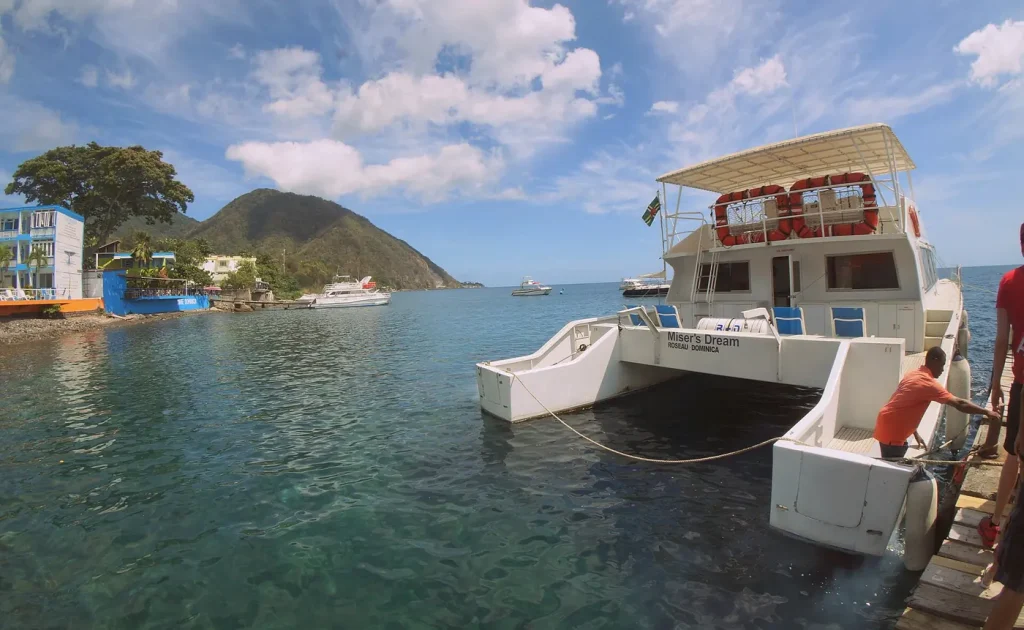
A group of sperm whales lives in the deep water off the west coast all year, which is why Dominica is one of the few places where whale watching is a year-round trip rather than a season. Boats leave from the west coast; choose an operator that keeps a respectful distance and follows local guidelines.
Beneath the surface, the volcanic drop-offs and reefs around Scotts Head and the southwest coast suit snorkellers and divers. Cabrits National Park also protects a marine area of 421 hectares between Prince Rupert Bay and Toucari Bay.
Look for wildlife
The island has around 200 bird species, including two found nowhere else: the Sisserou and the red-necked parrot, the Jaco. Hummingbirds, butterflies and the Dominican anole, a lizard unique to the island, are easier to find than the parrots. Early morning in the forest is best, and a local guide helps a lot.
Syndicate and the north
Forest trails in the north are the usual route for birders hoping for parrots. Go with a guide and plenty of patience.
Roseau Botanic Gardens
A 16-hectare garden begun in 1890, an easy place for tropical plants, birds and shade in the capital.
Rainforest walks
Even short walks show ferns, moss, vines and tree ferns. Wear shoes with grip and carry a rain layer.
Towns, forts and history
Roseau, the capital, is compact and walkable, with a produce market, colonial-era buildings and the botanic gardens. In the north, Portsmouth sits beside Prince Rupert Bay and is the base for rowing-boat trips on the Indian River, the widest river on the island. Just beyond lies Cabrits National Park, where Fort Shirley, begun by the British in 1765, stands among the forest.
Need a base?
Dominica is small enough to stay in one place and day-trip. See where to sleep, or plan your arrival.