Dominica photography rewards patience and a rain cover. The island is a steep, green, volcanic island where waterfalls, steaming vents, black-and-grey shores and rainforest sit within an hour or two of each other, so you can build a varied portfolio in a few days if you plan around light and weather.
This guide lists the best places to shoot, what to bring and how to photograph respectfully. It links to our places to go guide for the regions.
Where are the best photography spots in Dominica?
| Spot | What to shoot | Tip |
|---|---|---|
| Trafalgar Falls | Twin waterfalls in dense forest | Use a slow shutter for silky water and a tripod |
| Emerald Pool | A thin fall into a green pool | Low light inside the forest, so raise ISO or steady the camera |
| Boeri Lake and the park | Mist, crater lakes and layered ridges | Early light, before cloud builds |
| Valley of Desolation | Steam, colour and bare volcanic slopes | Wipe your lens often; steam fogs glass |
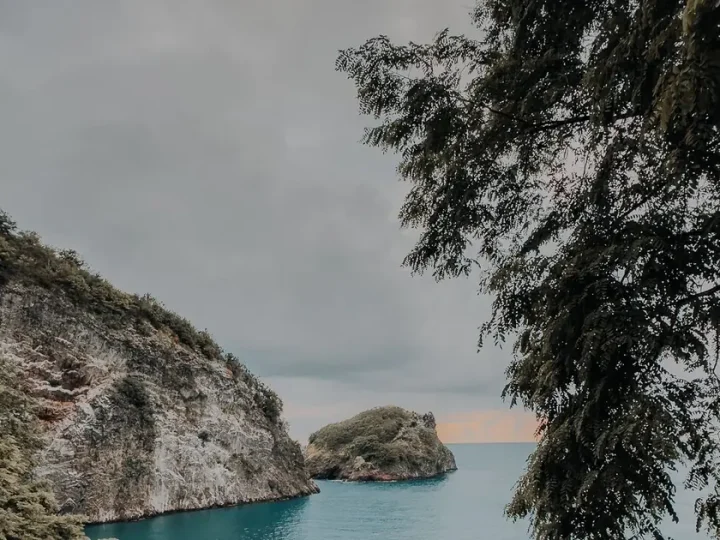
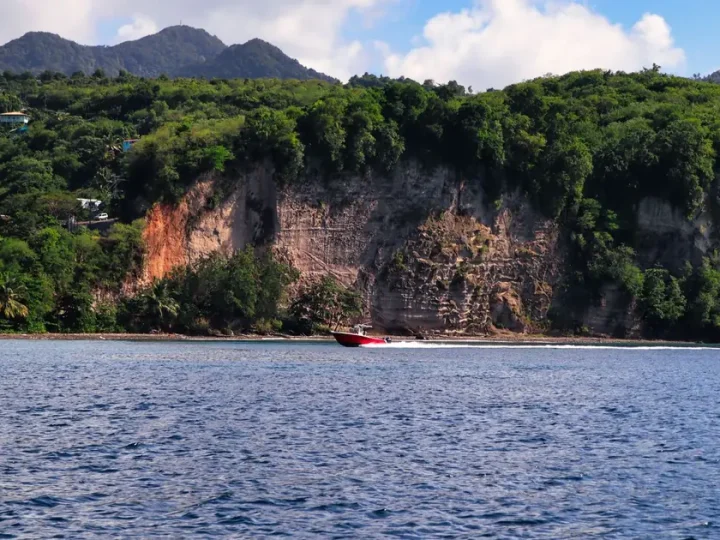
| Batalie Bay and the west coast | Sunsets, boats and cliffs | The coast faces the evening sun |
| Cabrits and Fort Shirley | Old fort buildings in forest | Midday shade makes wide scenes easier |
| Roseau | Market streets, timber balconies, mountains behind | Ask before photographing people |
When is the best light?
Early morning is calmer and clearer in the mountains, while the west coast gives its best colour at sunset. Rain is common in the interior at any time, so keep a few hours spare to wait out showers. Cloud on peaks can lift quickly, so be ready to move.

What camera gear should you bring?
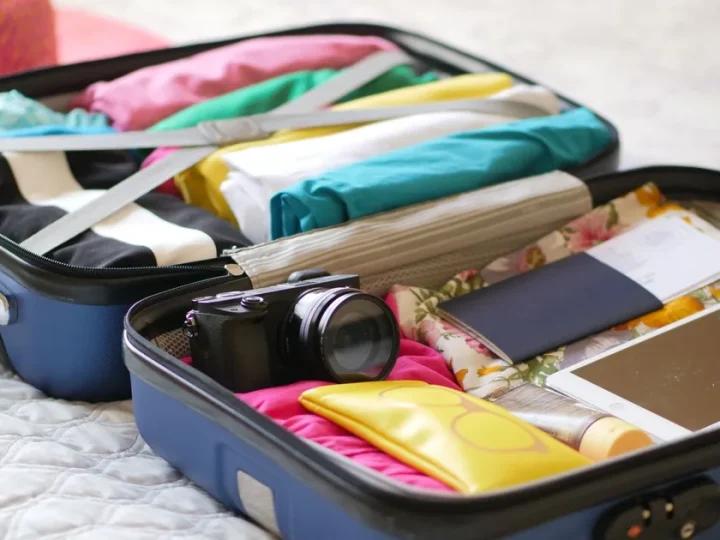
- A rain cover or a dry bag for the camera.
- Microfibre cloths for lenses, since mist and spray are constant.
- A small tripod for waterfalls and dawn light.
- A wide lens for coast and forest, plus one longer lens for wildlife.
- Silica gel packs to keep gear dry.
How do you photograph wildlife and people responsibly?
Keep your distance from animals and never feed them. The island’s endemic wildlife includes the Dominican anole, a small lizard, and two parrots found nowhere else; see our Sisserou guide. Ask before photographing people, especially in communities such as the Kalinago Territory, and buy crafts directly from makers if you visit.
Is it safe to take photos on the trails?
Wet rock and roots make footing slippery, and steam areas can be hot. Do not step off the path for a shot, and let a guide set the pace on long volcanic routes. Read the trail advice on our things to do page.
Frequently Asked Questions
Early morning is usually calmer and clearer in the mountains, and the west coast gives its best colour at sunset. Rain is common in the interior at any time, so plan flexible hours, keep a cover handy and be ready to move when cloud lifts.
A small travel tripod helps for waterfalls, forest light and dawn scenes, and keeps shots sharp at slow shutter speeds. For long hikes you may prefer to leave it behind and brace against a tree or rock instead, keeping your pack light.
Drone rules can apply to visitors and may change. Check with the Dominican authorities and your accommodation before you bring one, because we cannot confirm current regulations. Never fly near people, wildlife or crowded sites, and respect the privacy of communities.
Use a rain cover or dry bag, add silica gel packs and wipe lenses often, since humidity in the forest is constant. Let gear adjust gradually when moving from air conditioning to humid air, and keep a microfibre cloth in an easy pocket.
For more guides to Dominica island, browse the journal.
How we prepared this guide: Main sources: Discover Dominica Authority. Locations come from Wikipedia, Wikivoyage and our own place guides; we give no prices and no access times. Check conditions locally. Photographs are from Wikimedia Commons; see our photo credits.