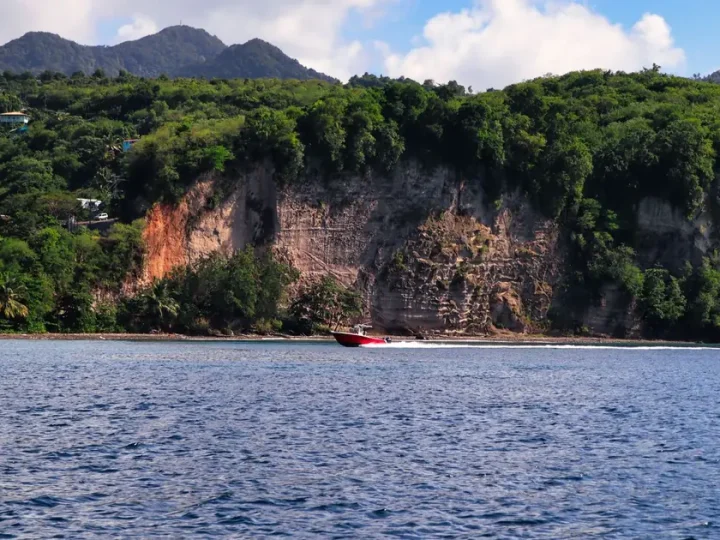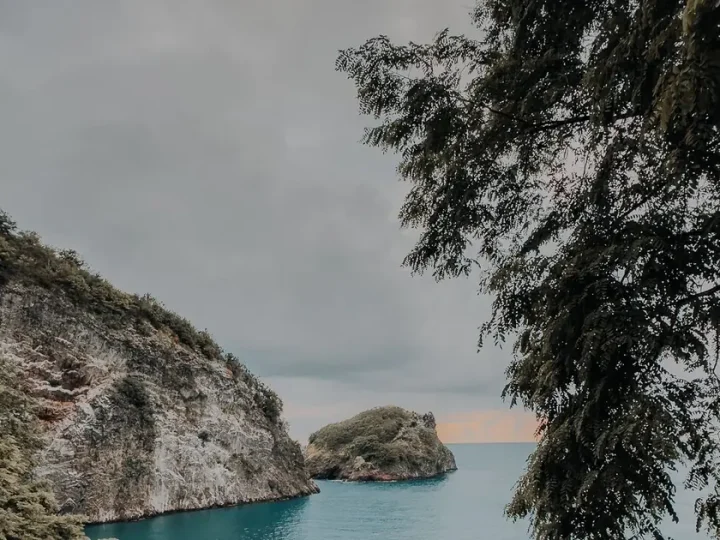
Dominica eco tourism is the island’s signature, and travelling lightly here means more than choosing a green label. The Nature Island of the Caribbean markets itself on rainforest, volcanoes and wildlife, so the best thing you can do is use local guides, stay on trails, choose small stays and leave the places you visit as you found them.
This guide explains how the island approached ecotourism and gives practical habits for visitors. It complements our where to stay and things to do pages.
What does eco tourism mean in Dominica?
Tourism here is based on hiking in the rainforest and visiting cruise ships, and the island has long marketed itself as the Nature Island. In 1997 the government signed an agreement with Green Globe, the environmental division of the World Travel and Tourism Council, to develop Dominica as a model ecotourism destination, and the 3-year programme brought technical expertise on environmental management. Wikipedia also notes that the government recognises that intensive tourism is incompatible with preserving the island’s ecosystem.
Dominica eco tourism at a glance
| Habit | Why it helps |
|---|---|
| Hire local guides | Keeps income local and keeps you on safe, established routes |
| Stay in small places | Smaller footprint and more of your money stays on the island |
| Buy a trail pass | Non-residents need one for the Waitukubuli National Trail |
| Stay on the path | Protects roots, soil and wildlife |
| Take litter out | Keeps pools, rivers and trails clean |
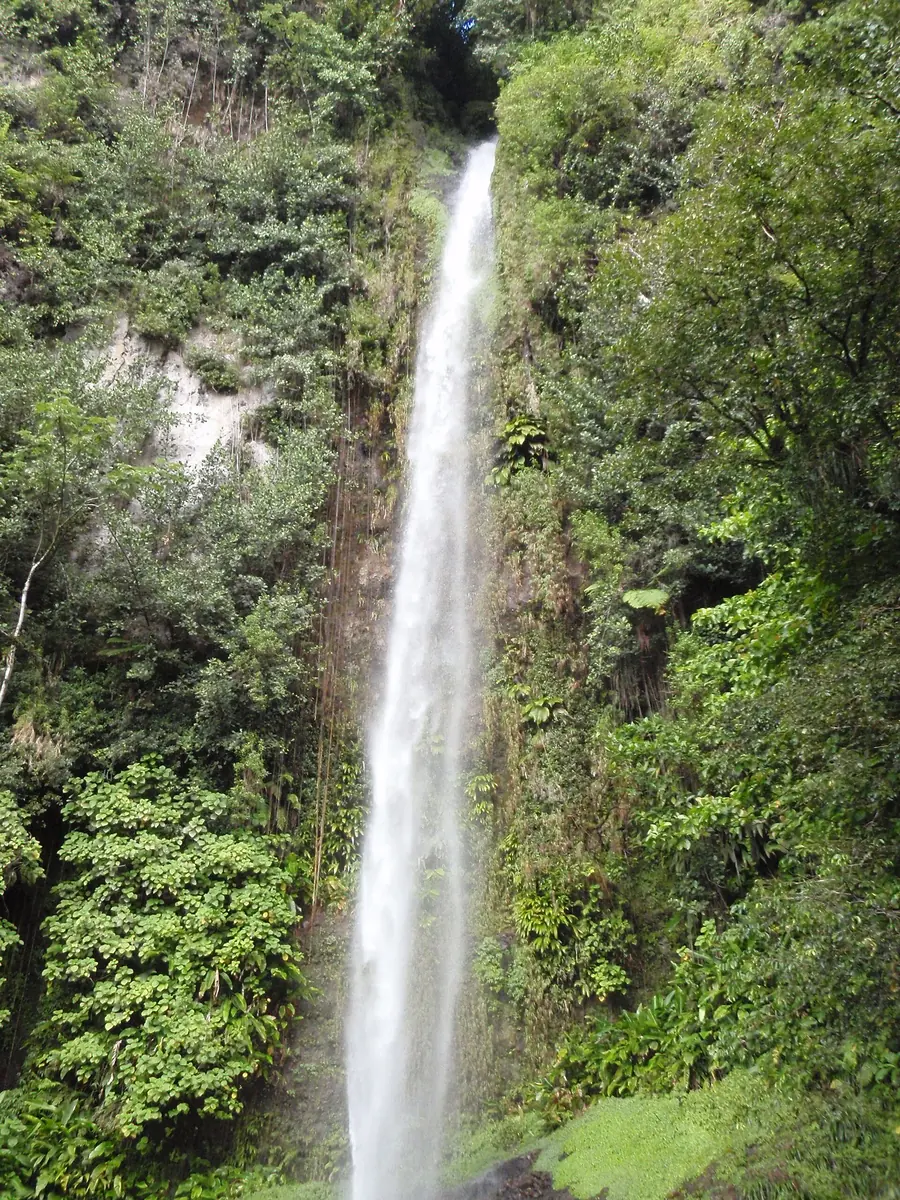
How do you spot real sustainability?
Ask three questions of any lodge or tour: where does the water and energy come from, who works there, and how do they handle waste? A real answer is more convincing than a badge. Small, locally owned places are often the best fit, and our where to stay guide explains how to choose.
How do you protect forests and wildlife?
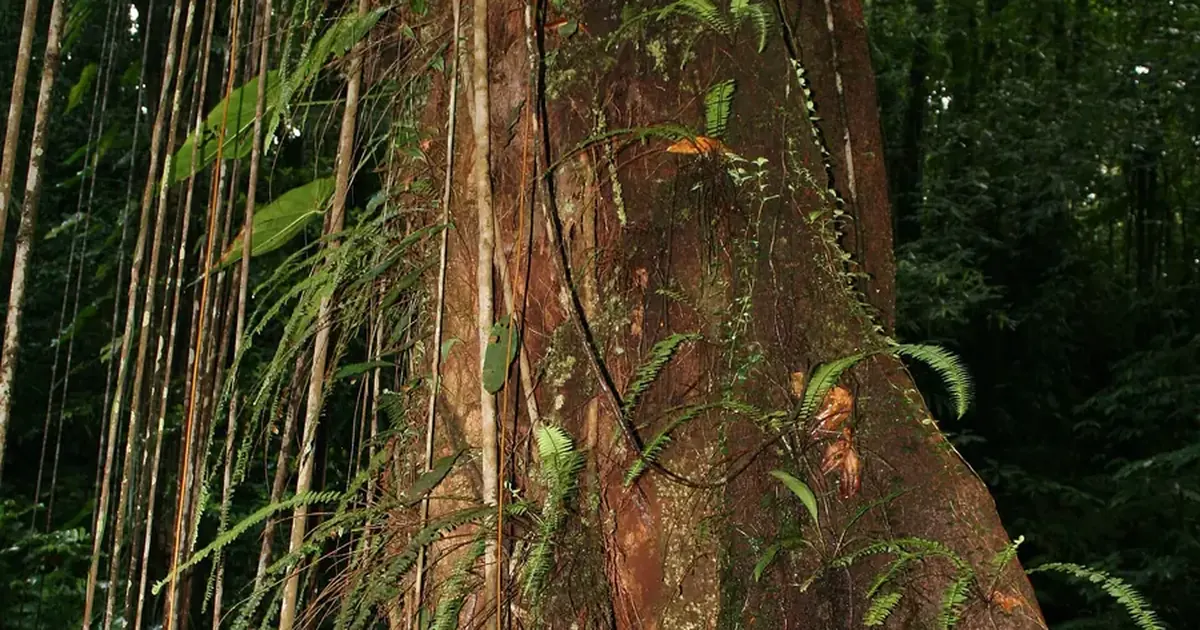
Morne Trois Pitons National Park, a UNESCO World Heritage Site, covers about 7,000 hectares of forest and volcanic features, and Cabrits National Park protects a marine area of 421 hectares. Do not feed or chase animals, never buy birds or feathers, and give nesting areas space. Our Sisserou guide explains why the national bird needs quiet forest.
How can you travel with respect for communities?
Ask before photographing people, buy crafts directly from makers and use community-run tours where possible, for example in the Kalinago Territory. Learn a few words of Kwéyòl, the island’s Creole, and tip well for good service.
Frequently Asked Questions
Because it is largely covered in rainforest and has volcanic peaks, waterfalls, hot springs and rich wildlife, and because it has promoted itself as an ecotourism destination for decades. The nickname is now part of how the country presents itself to visitors.
Yes, though the island is vulnerable to hurricanes and its habitats are fragile, so careful behaviour matters. Choose small, locally run stays and guides, stay on trails and avoid disturbing wildlife, nesting areas or fragile river edges.
For short, signed paths often not, but for long volcanic and forest routes a local guide is the safer and more sustainable choice. Guides know conditions, protect fragile areas and keep income in local communities, which is a core part of travelling lightly.
Use refillable bottles, stay on trails, support small local businesses and take your rubbish with you. Choose experiences led by local people and ask lodges how they handle water, energy and waste. Our travel tips add more ideas.
Find more Dominica island guides in the journal, and an orientation in visit Dominica island.
How we prepared this guide: Main sources: Tourism in Dominica. It draws on Wikipedia’s articles on Dominica, tourism in Dominica, Morne Trois Pitons National Park and Cabrits National Park. We make no claims about specific businesses. Photographs are from Wikimedia Commons; see our photo credits.