Dominica solo female travel is realistic with ordinary precautions and some mountain common sense. The UK government describes the island’s crime rate as low, but advises care when walking alone away from main roads, especially after dark. The bigger solo challenge is practical: trails, transport and volcanic terrain reward a bit of planning and a local guide.
This guide gathers the official advice and the practical choices for women travelling alone, and links to the rest of our plan your visit pages.
Is Dominica safe for solo female travellers?
The UK government’s advice says the crime rate is low but that you could be at risk walking alone away from the main roads, particularly after dark. It recommends securing your accommodation, taking care when walking alone off main roads, avoiding isolated areas including beaches after dark, using only licensed taxis, and leaving valuables and travel documents in a safe. These are sensible habits on any island, and they apply here.
Dominica solo female travel at a glance
| Situation | Practical approach |
|---|---|
| Arriving | Arrange your first night’s transfer in advance and use a licensed taxi |
| Evenings | Stay on main roads and avoid isolated areas and beaches after dark |
| Big hikes | Go with a licensed guide or a group |
| Short walks | Tell your host your route and expected return time |
| Getting around | Taxis or minibuses; ask your host which drivers they trust |
How do you get around alone?
Private minibuses form most of the public transport system and are a sociable, low-cost way to move between towns, but they do not run to a visitor timetable. Taxi drivers often double as guides, which is a convenient way to see several sites in a day. If you hire a car, check licence and insurance requirements and avoid mountain roads after dark.
Should you hike alone?
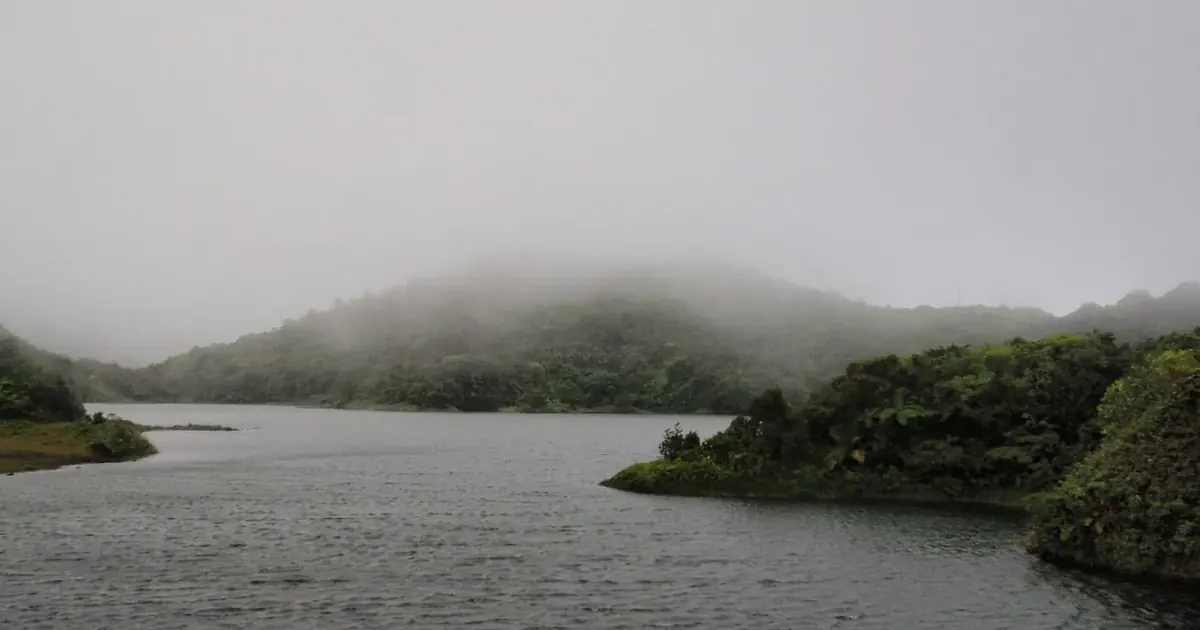
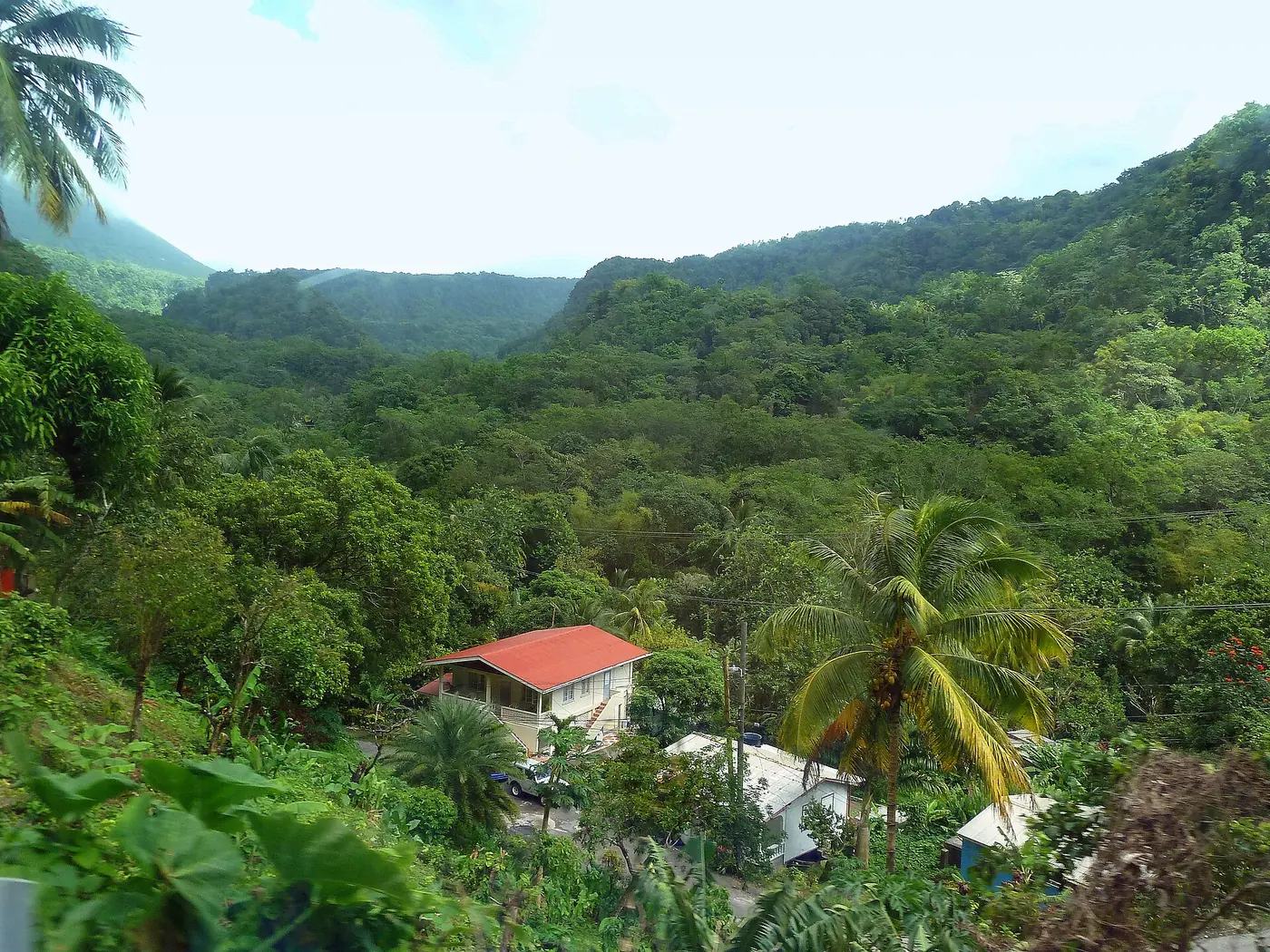
Short, well-marked walks are fine for most people, but the volcanic and rainforest terrain is easy to underestimate. For long routes such as the Boiling Lake, hire a local guide. On the Waitukubuli National Trail, non-residents need a paid trail pass. Share your plan with your host, carry water and a rain layer, and check trail status before you set off. Our things to do page lists the main routes.
Where should a solo traveller stay?
Small guest houses and eco-lodges are easy places to meet hosts and other travellers, and a base in Roseau gives you restaurants and a market within walking distance. The Roseau Valley is closer to trails and hot springs. Our where to stay guide compares the areas.
Frequently Asked Questions
Official advice describes a low crime rate with the usual precautions. Avoid walking alone away from main roads or on isolated beaches after dark, use licensed taxis, secure your accommodation and keep valuables in a safe. Check your own government’s advice before travelling.
Yes. Minibuses and taxis cover most routes, and many guides offer day tours. Minibuses do not follow visitor timetables and Sundays can be quiet, so ask your host about transport the day before and plan a flexible route.
For short signed walks, usually not. For long volcanic routes such as the Boiling Lake, a licensed local guide is strongly advisable, and non-residents need a paid trail pass for the Waitukubuli National Trail. Always tell your host your route and expected return.
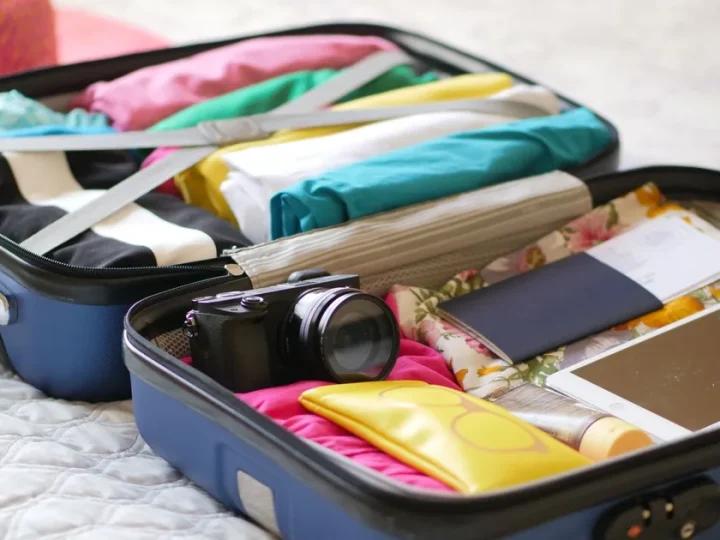
Pack practical clothing for rain, heat and trails, with a light rain jacket and shoes with grip. It is illegal for anyone, including children, to wear camouflage clothing, so leave it at home. Our packing list has the full checklist.
For more on how to pack and what to check before you go, read our travel tips and FAQ and the journal.
How we prepared this guide: The safety points come from the UK government’s travel advice for Dominica; check it and your own government’s advice before travelling. We cannot give personal advice. Photographs are from Wikimedia Commons; see our photo credits.